

Case study · Recruitment & qualitative research
Reaching a rare, dispersed patient population to capture the lived experience of oMG
MedPanel recruited, screened, and interviewed people living with ocular myasthenia gravis across the US for an in-depth qualitative study of a poorly understood condition.
Ocular myasthenia gravis (oMG) is a rare autoimmune condition affecting the eye and eyelid muscles — often dismissed as “mild,” yet its real-world burden is barely documented. Capturing that experience meant finding a small, geographically scattered, tightly defined patient group, confirming each diagnosis, and drawing out detailed, candid accounts of daily life. Recruiting and conducting those interviews is exactly where MedPanel came in.
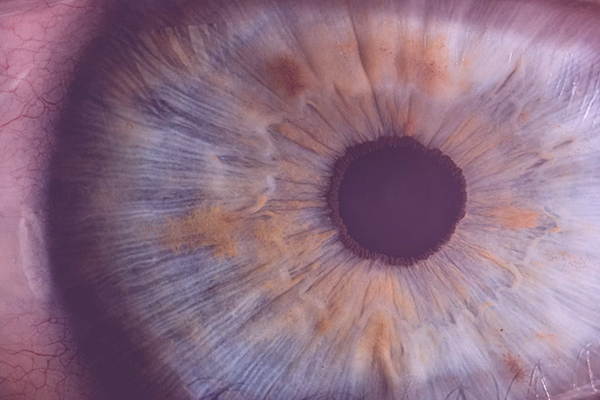
A rare condition, an invisible burden
With an annual incidence of roughly one in 100,000 people, oMG is rare — and because its symptoms are confined to the eyes, it is frequently assumed to be a minor problem. As a result, the wider impact on patients’ daily lives, mental health, work, and relationships has stayed largely undocumented, with most research focused on the generalised form of the disease instead.
Building real evidence required reaching a scattered, hard-to-identify population, verifying that each participant genuinely had ocular-limited disease, and then guiding open, in-depth conversations that surfaced experiences clinical assessments rarely capture. Recruiting that audience, confirming eligibility, and conducting the interviews is where MedPanel came in.
What is it really like to live with ocular myasthenia gravis — across diagnosis, treatment, daily function, work, and emotional wellbeing?
What the research set out to do
Characterise the lived experience of oMG across five domains of daily life.
Map the symptom burden and diagnostic journey — from first symptoms and care-seeking through to confirmed diagnosis and any delays.
Understand treatment and management experiences, including effectiveness, side effects, satisfaction, and unmet needs.
Capture the emotional, social, and functional impact on daily activities, relationships, self-confidence, and stigma.
Explore effects on work, productivity, and finances, and identify the support and care gaps patients most want addressed.
Recruit, interview, analyse
In-depth, semi-structured interviews built on a carefully screened, diagnosis-confirmed sample.
Recruitment
MedPanel recruited adults with oMG across the US through patient panels, advocacy groups, referrals, and targeted outreach — with every participant required to submit a healthcare provider’s clinical note confirming their diagnosis before enrolment.
Interviews
Each participant completed a 60-minute telephone interview with secure screen-sharing, guided by a standardised discussion guide of open-ended questions and targeted probes spanning diagnosis, treatment, personal life, work, and emotional wellbeing.
Analysis
Interviews were audio-recorded, transcribed, and analysed thematically, with the prevalence of each concept summarised descriptively so common experiences could be quantified alongside patients’ own words.
Far from a mild condition
The evidence challenged the assumption that ocular-limited disease is low-burden.
experienced both double vision and eyelid droop
Nearly all participants reported ocular symptoms at onset, with most describing them as persistent rather than occasional — a constant, visible feature of daily life.
said oMG affected daily activities and hobbies
Driving was impaired for around three-quarters of participants, and vision problems disrupted shopping, cooking, screen use, and leisure — pushing many toward less visually demanding routines.
of working-age participants reported work impact
Effects ranged from frequent breaks and sick days to missed promotions, changes in employment status, and financial strain — alongside a heavy emotional toll of frustration, anxiety, and fear of progression.
achieved complete symptom resolution
Despite universal use of standard therapy, control was fragile and side effects common — with patients calling for quicker diagnosis, greater awareness, and treatments that are more tolerable and longer-lasting.
A rare-disease sample, recruited and interviewed to spec
Qualitative research into a rare condition only works with the right participants and the right conversations. MedPanel reached a scattered oMG population, confirmed every diagnosis through clinical notes, and conducted the in-depth interviews that turned lived experience into structured evidence.
The result is some of the clearest patient-generated evidence yet that oMG is not a mild condition — insight that supports earlier diagnosis, greater clinician awareness, and patient-centred drug development. It is a clear example of how MedPanel’s recruitment reach and research capability power rigorous work in hard-to-study populations.
Hard-to-reach sample delivered
Rare-disease patients recruited nationwide to tight clinical criteria.
Diagnosis confirmed
Every participant verified via a healthcare provider’s clinical note.
End-to-end fieldwork
Recruitment through to in-depth interviews handled by MedPanel.
Published, open access
The study MedPanel recruited and conducted — available in full.
Open-access research · 2026
The Impact of Ocular Myasthenia Gravis from the Patient’s Perspective: Findings from a U.S. Cross-sectional Qualitative Study
A cross-sectional qualitative study capturing the lived experience of ocular myasthenia gravis — spanning symptom burden, the diagnostic journey, treatment, and the emotional, social, and occupational impact of the disease. MedPanel recruited the participants and conducted the in-depth interviews for this study.
Read the full study
MedPanel provided participant recruitment and conducted the interviews for this study. Figures shown are drawn from the published article.